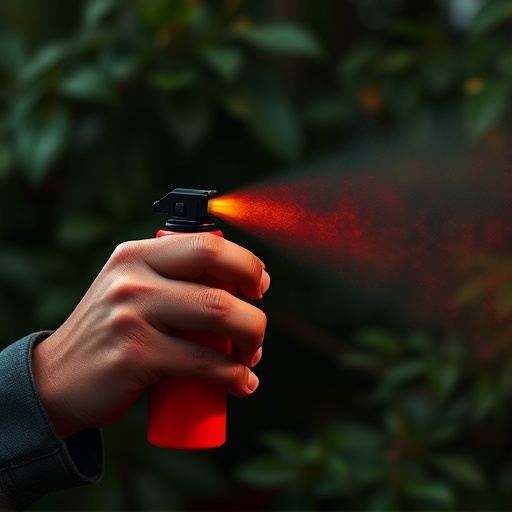
Pepper spray temporarily disables individuals by irritating nerve endings, requiring swift action upon exposure. Remove contaminated clothing, rinse affected areas with water for 15 minutes, and seek medical help for persistent symptoms. Law enforcement should strategically deploy pepper spray, focusing on the face and upper body, after proper training to balance crowd control and harm minimization. Alternative non-lethal methods like sting ball guns and foam agents are being explored for safer crowd management.
In today’s dynamic law enforcement landscape, understanding crowd control tools like pepper spray is paramount. This article delves into the effectiveness and safety measures surrounding pepper spray, offering insights into its proper deployment by law enforcement. We explore health risks associated with exposure and countermeasures for neutralizing pepper spray on the face—a crucial skill for officers and citizens alike. Additionally, we discuss alternative non-lethal crowd control methods, providing a comprehensive resource for effective and safe public order management.
- Understanding Pepper Spray: A Crowd Control Tool
- Safety Measures: How to Neutralize Pepper Spray on Face
- Effective Deployment Strategies for Law Enforcement
- Health Risks and Countermeasures After Exposure
- Alternative Methods: Exploring Non-Lethal Options for Crowd Control
Understanding Pepper Spray: A Crowd Control Tool
Pepper spray, officially known as oleoresin capsicum (OC) spray, is a crowd control agent designed to temporarily incapacitate individuals and disperse crowds. It’s a powerful tool used by law enforcement agencies worldwide for public safety. When sprayed directly into the eyes or face, pepper spray neutralizes Pepper Spray on Face by irritating nerve endings, causing temporary blindness, tearing, and intense pain. This disruption disrupts normal vision and breathing, allowing officers to gain control of potentially volatile situations.
The effectiveness of pepper spray lies in its ability to subdue without causing permanent harm. It wears off relatively quickly, typically within 10-15 minutes, as the body’s natural processes flush out the chemical irritants. Despite being a valuable asset for crowd control and officer safety, pepper spray must be used judiciously and according to established protocols to ensure public safety and minimize potential misuse.
Safety Measures: How to Neutralize Pepper Spray on Face
When facing pepper spray during crowd control, knowing how to quickly neutralize it on your face is crucial for ensuring safety. If exposed, immediate action is required. Start by removing any clothing or accessories that may have been doused in the irritant, as these can retain and spread the chemical. Then, rinse the affected areas with copious amounts of clean water for at least 15 minutes to dilute and wash away the pepper spray.
For facial exposure, focus on rinsing eyes, nose, and mouth thoroughly. Do not rub or scratch the eyes, as it can exacerbate irritation. Instead, use your fingers to gently open and close eyelids repeatedly under running water. Seek immediate medical attention if persistent symptoms like difficulty breathing, nausea, or severe pain occur.
Effective Deployment Strategies for Law Enforcement
For law enforcement, effective deployment of pepper spray during crowd control situations requires strategic thinking and precise execution. It’s crucial to understand that pepper spray is designed to neutralize an individual’s ability to engage in violence or cause harm by temporarily blinding and irritating their eyes and respiratory system. Therefore, officers should aim for targeted application, focusing on the face and upper body where it can quickly render a subject non-threatening without causing widespread panic or excessive injury among the crowd.
Training plays a vital role in ensuring successful deployment. Officers must learn proper techniques to minimize over-spray and ensure the safety of bystanders. This includes understanding wind patterns, choosing appropriate angles for application, and being mindful of environmental factors like weather conditions. Additionally, regular practice sessions help officers maintain proficiency, especially in chaotic scenarios where quick thinking and calm execution are paramount.
Health Risks and Countermeasures After Exposure
After exposure to pepper spray, it’s crucial to take immediate steps to neutralize its effects and mitigate potential health risks. Inhaling or having pepper spray come into contact with your face can cause severe irritation, coughing, difficulty breathing, and even temporary blindness. If you’ve been affected, move to an area with fresh air immediately. Remove any contaminated clothing, focusing on pieces that may have made contact with your eyes or face. Rinse your face gently with cool water for at least 15 minutes to help dilute the chemical irritants.
While these countermeasures can help alleviate symptoms, it’s important to seek medical attention if you experience persistent respiratory issues, severe eye irritation, or any unusual reactions. Wash hands thoroughly after decontaminating to avoid transferring the chemicals to others. Using a neutralizing agent like a specialized pepper spray remover or a solution of baking soda and water can also aid in soothing skin affected by direct contact with the spray.
Alternative Methods: Exploring Non-Lethal Options for Crowd Control
In recent years, there’s been a growing interest in exploring alternative crowd control methods that go beyond traditional tactics like pepper spray. While pepper spray can be effective in neutralizing individuals and dispersing crowds, it isn’t without drawbacks. One of the primary concerns is its impact on bystanders and the environment, as well as potential health risks associated with prolonged exposure or misuse.
As such, law enforcement agencies are increasingly turning to non-lethal options that can neutralize pepper spray on faces and prevent harm while still effectively managing crowds. These include techniques like sting ball guns, which fire small rubber balls laced with a mild irritant, and tactical noise makers that utilize high-intensity sound waves to disorient and disperse individuals without causing physical harm. Additionally, the use of water cannons and foam agents is being re-examined for their potential in crowd control situations, offering targeted intervention while minimizing long-term health implications.
In conclusion, while pepper spray serves as a valuable tool in crowd control, it’s crucial to understand its potential risks and have effective strategies for both deployment and neutralization. By adhering to safety measures and exploring alternative non-lethal options, law enforcement can ensure public safety while minimizing harm. Knowing how to quickly neutralize pepper spray on the face is an essential skill that can significantly impact the outcome of crowd control scenarios.