Direct contact with pepper spray causes severe skin and eye irritation due to capsaicin. Effective decontamination involves thorough rinsing or using neutralizing sprays to reduce symptoms. Personal protection sprays use specialized agents to bind and neutralize capsaicin, blocking pain signal transmission. Choosing the right spray with potent ingredients, good range, and ease of application is vital for defense against pepper spray. Correct application technique includes aiming at sensitive areas, covering the face, and seeking fresh air.
“Personal protection sprays, especially those designed to neutralize pepper spray, have become essential tools for self-defense. This article delves into the world of inflammatory agent personal protection sprays, offering a comprehensive guide. We explore the impact of pepper spray on skin and eyes, unraveling the science behind neutralizing agents. Key ingredients for effective protection are highlighted, along with application techniques to ensure safe usage. By understanding these aspects, individuals can make informed choices to neutralize pepper spray on their face and gain peace of mind in potentially dangerous situations.”
- Understanding Pepper Spray's Impact on Skin and Eyes
- The Science Behind Neutralizing Agents in Personal Protection Sprays
- Choosing the Right Product: Key Ingredients for Effective Protection
- Application Techniques: Safely Using Your Personal Defense Spray
Understanding Pepper Spray's Impact on Skin and Eyes
Pepper spray, a common inflammatory agent used for personal protection, can have severe effects on the skin and eyes upon contact. When pepper spray comes into direct contact with the face, it causes a burning sensation and immediate inflammation due to capsaicin, the active ingredient. This irritant triggers a cascade of reactions in the body’s natural defenses, leading to watery eyes, difficulty breathing, and pain.
The impact on the skin can range from redness and itching to more severe rashes and blisters. Neutralizing pepper spray on the face is crucial as it helps alleviate these symptoms. Proper decontamination techniques, such as thoroughly rinsing with water or using neutralizing sprays specifically designed for this purpose, can significantly reduce the severity of skin and eye irritations caused by exposure to inflammatory agents like pepper spray.
The Science Behind Neutralizing Agents in Personal Protection Sprays
The effectiveness of personal protection sprays, particularly those designed to neutralize pepper spray on the face, relies heavily on the science behind their active ingredients. These sprays contain specialized neutralizing agents that are engineered to counteract the harmful effects of capsaicin, the primary irritant in pepper spray. When a person is exposed to pepper spray, capsaicin comes into contact with the eyes, nose, and skin, causing intense irritation, tearing, and difficulty breathing.
The neutralizing agents in these protective sprays work by binding to the capsaicin molecules, preventing them from binding to the body’s pain receptors. This process effectively stops the transmission of pain signals, reducing the severity of symptoms. Key ingredients like amine-based compounds or specific enzymes are often used due to their ability to neutralize capsaicin rapidly and efficiently. By understanding the science behind these agents, users can have greater confidence in their protection during potentially dangerous situations.
Choosing the Right Product: Key Ingredients for Effective Protection
When selecting an inflammatory agent personal protection spray, understanding its ingredients is key to ensuring effective protection against threats like pepper spray. To neutralize pepper spray on the face, active ingredients like capsaicin antagonists or natural plant-based agents are crucial. These substances can quickly block the effects of capsaicin, the main irritant in pepper spray, allowing for swift relief and reduced discomfort.
Choosing a product with well-researched and potent ingredients is essential. Additionally, consider factors like spray range, durability against wind, and ease of application. Remember that a reliable protective spray should provide immediate protection, making it an indispensable tool for personal safety in various situations, especially when facing potential threats like neutralizing pepper spray on the face.
Application Techniques: Safely Using Your Personal Defense Spray
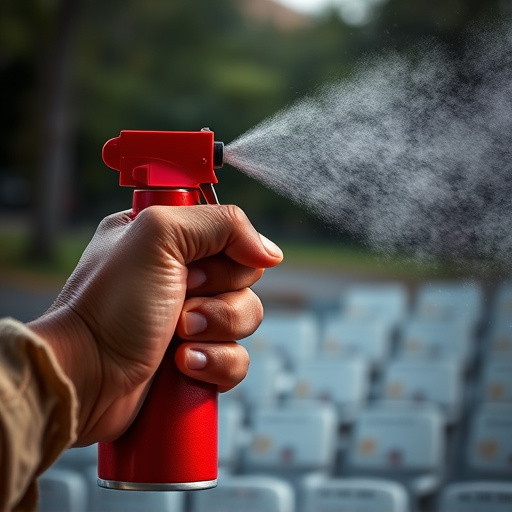
When using a personal defense spray, understanding the application technique is paramount for its effectiveness and your safety. Start by ensuring proper positioning—hold the can at arm’s length and point it away from yourself and others to prevent accidental spraying. For neutralizing pepper spray on your face, aim for the attacker’s eyes and nose, as these areas contain numerous nerve endings, rendering them temporarily blind and unable to breathe.
After spraying, quickly cover your face with a cloth or your hands to protect yourself from residual fumes. Seek fresh air immediately by moving to an open area. If the effects persist, wash the affected areas with plenty of water for at least 15 minutes. Regular practice of these techniques will enhance your confidence and ensure you use your spray effectively when needed.
When it comes to personal protection, understanding your weapons—in this case, pepper spray and its neutralizing agents—is paramount. By knowing how to apply these defensive tools effectively, you can gain valuable time and space in potentially dangerous situations. Remember, the key to successfully neutralizing pepper spray on the face is a proper application technique. Choose products with proven active ingredients, practice regularly, and stay prepared. These steps will empower you to navigate challenging environments with confidence and safety.